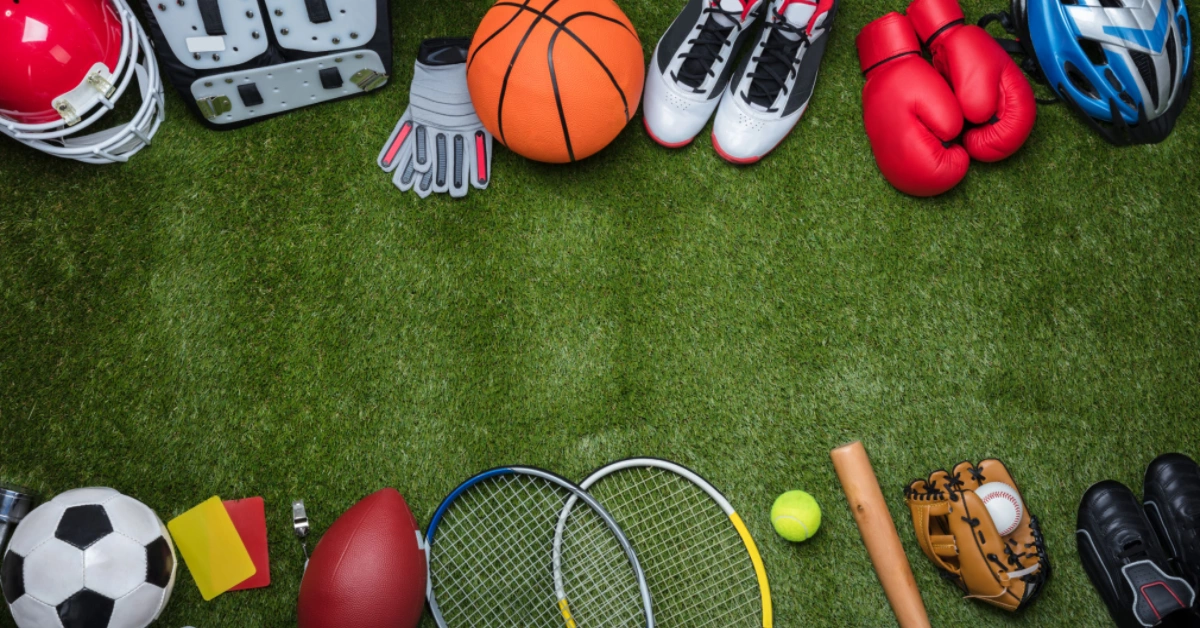
Sports and recreational activities play a vital role in building healthier, happier communities. They promote physical fitness, mental well-being, and social connection. However, participation in sports and recreation also carries risks of injuries and accidents. Ensuring safety in these activities is essential to protect participants, foster trust in community programs, and encourage lifelong engagement in healthy habits.
Top 5 Unseen Hazards in Homes and How to Avoid Them
Why Sport and Recreation Safety Matters
Community sports and recreation programs attract participants of all ages and abilities. While the benefits are significant, injuries such as sprains, fractures, concussions, and heat-related illnesses are common without proper precautions. Beyond physical harm, unsafe practices can erode community confidence, reduce participation, and burden local healthcare systems.
Prioritizing safety helps create environments where everyone can enjoy sports and recreational activities with confidence.
Common Risks in Community Activities
Understanding the most frequent risks allows communities to implement targeted safety measures.
Physical Injuries
- Sprains, strains, and fractures from falls or collisions.
- Head injuries, including concussions, in contact sports.
- Overuse injuries from repetitive motions or inadequate rest.
Environmental Hazards
- Slippery or uneven playing surfaces.
- Poor lighting in outdoor recreation areas.
- Extreme weather conditions such as heat, cold, or storms.
Equipment-Related Risks
- Malfunctioning or improperly maintained sports gear.
- Incorrectly sized protective equipment, such as helmets or pads.
- Shared or damaged equipment that increases injury risk.
Strategies for Reducing Risk
Communities and participants can take multiple steps to minimize hazards and create safer recreational experiences.
Proper Training and Supervision
- Provide certified coaches, instructors, or lifeguards.
- Offer training in safe techniques, warm-ups, and cool-downs.
- Educate participants on rules, safety practices, and injury prevention.
Safe Facilities and Environments
- Maintain fields, courts, and playgrounds regularly.
- Install protective padding where necessary and ensure proper lighting.
- Monitor weather conditions and adapt schedules or provide shelter when needed.
Protective Gear and Equipment
- Ensure helmets, pads, and footwear fit properly and meet safety standards.
- Inspect equipment frequently and replace worn or damaged items.
- Encourage participants to use safety gear consistently.
Health and Wellness Measures
- Promote hydration, nutrition, and adequate rest for all participants.
- Implement concussion protocols and injury reporting systems.
- Educate participants on recognizing signs of fatigue, heat stress, or injury.
The Role of Community Programs
Community programs play a critical role in promoting safe sports and recreation:
- Education: Workshops, online resources, and community meetings to raise awareness of risks and prevention strategies.
- Policy Implementation: Guidelines on age-appropriate activities, supervision ratios, and safety equipment requirements.
- Inclusive Participation: Adapting activities to accommodate varying abilities ensures safety for all participants.
- Emergency Preparedness: On-site first aid kits, trained personnel, and emergency action plans.
Benefits of Prioritizing Safety
When communities focus on safety, the benefits extend beyond injury prevention:
- Increased participation and engagement in recreational activities.
- Enhanced trust between residents, program organizers, and local authorities.
- Development of lifelong healthy habits in youth and adults.
- Reduced burden on healthcare services due to preventable injuries.
Sport and recreation programs are invaluable for community well-being, but safety must remain a top priority. By providing proper training, maintaining facilities, enforcing protective gear use, and promoting awareness, communities can reduce risks, protect participants, and ensure that everyone enjoys the physical and social benefits of recreational activities. Safe programs lead to thriving communities where residents feel confident and connected.