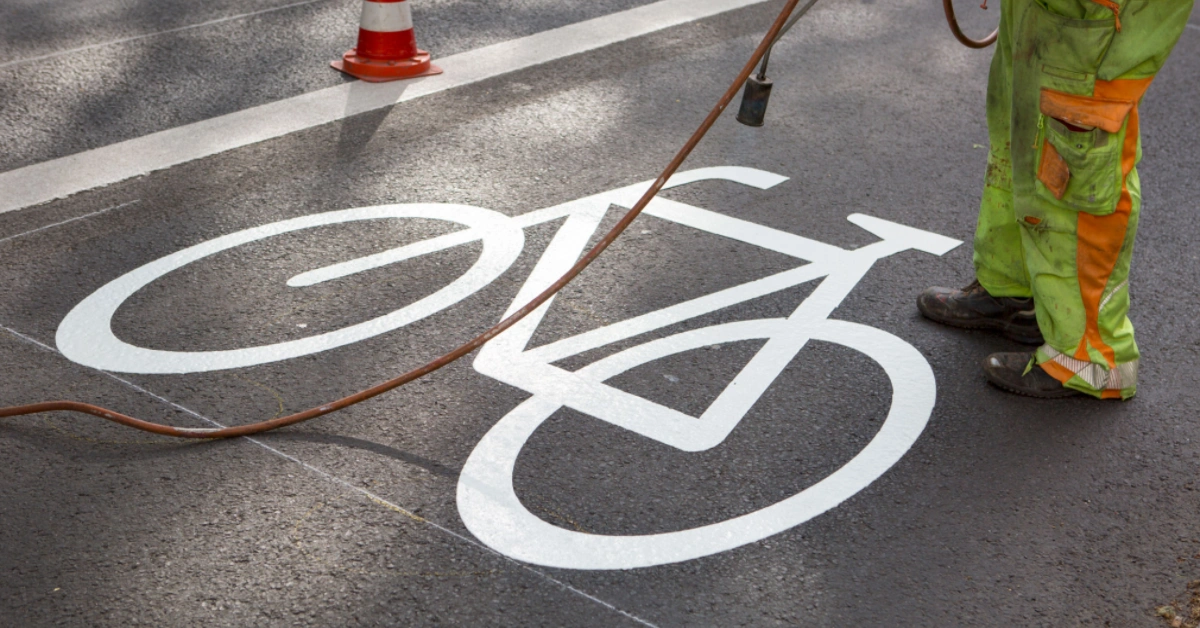
Walking or cycling in your community should be a safe, healthy, and convenient way to get around. However, accidents involving pedestrians and cyclists remain a major public safety concern. Understanding the rules of the road, best practices, and local safety initiatives can reduce risks and create safer streets for everyone.
Sport and Recreation Safety: Reducing Risk in Community Activities
Why Bicycle and Pedestrian Safety Matters
Every year, thousands of pedestrians and cyclists are injured in traffic accidents. Unlike vehicles, people on foot or bicycles are more vulnerable to severe injuries during collisions. Prioritizing safety not only protects individuals but also strengthens community trust, encourages active lifestyles, and reduces traffic congestion.
Common Hazards for Cyclists and Pedestrians
Awareness of common hazards is the first step toward prevention.
Traffic-Related Risks
- Drivers failing to yield at crosswalks or stop signs.
- Vehicles making sudden turns or reversing in residential areas.
- Speeding cars in areas with high pedestrian or cyclist traffic.
Environmental Hazards
- Poorly maintained sidewalks, roads, or bike lanes.
- Inadequate lighting at night or during adverse weather conditions.
- Construction zones with unclear or unsafe detours.
Behavioral Risks
- Distracted walking or cycling, such as using phones or headphones.
- Cycling without helmets or pedestrian carelessness when crossing streets.
- Ignoring traffic signals and crossing streets outside marked crosswalks.
Key Bicycle Safety Practices
Cyclists can reduce their risk of accidents by adopting safe habits and using proper equipment:
- Wear Helmets: A properly fitted helmet can prevent serious head injuries.
- Use Lights and Reflective Gear: Especially important at night or in low visibility conditions.
- Obey Traffic Rules: Stop at lights and stop signs, and follow road markings.
- Stay Visible: Ride in designated bike lanes and avoid blind spots near vehicles.
- Signal Intentions: Use hand signals to indicate turns and lane changes.
Essential Pedestrian Safety Tips
Pedestrians also play a critical role in preventing accidents:
- Use Crosswalks: Always cross at marked intersections and obey traffic signals.
- Stay Alert: Avoid distractions like phones or headphones while walking.
- Wear Visible Clothing: Bright or reflective clothing improves visibility for drivers.
- Look Both Ways: Always check for vehicles before crossing, even at pedestrian-priority zones.
- Teach Children Safety Rules: Reinforce safe behaviors from a young age.
Community Measures for Safer Streets
Local governments and organizations can implement strategies to protect cyclists and pedestrians:
- Protected Bike Lanes: Separate lanes for cyclists reduce collisions with vehicles.
- Traffic Calming Measures: Speed bumps, signage, and narrowed lanes slow down traffic in high pedestrian areas.
- Pedestrian-Friendly Infrastructure: Well-maintained sidewalks, crosswalks, and lighting improve safety.
- Education Campaigns: Programs to teach road safety for all road users.
- Enforcement: Strict enforcement of traffic laws ensures accountability for drivers and cyclists.
Benefits of Prioritizing Bicycle and Pedestrian Safety
Safe walking and cycling environments have far-reaching community benefits:
- Reduced traffic accidents and injuries.
- Increased physical activity and improved public health.
- Stronger community engagement and use of public spaces.
- Decreased vehicle congestion and environmental impact.
Bicycle and pedestrian safety requires a combined effort from residents, local authorities, and road users. By following safety guidelines, staying alert, using proper equipment, and supporting community initiatives, neighborhoods can become safer, healthier, and more accessible for all. Creating a culture of safety encourages active lifestyles and fosters communities where residents can walk and cycle with confidence.