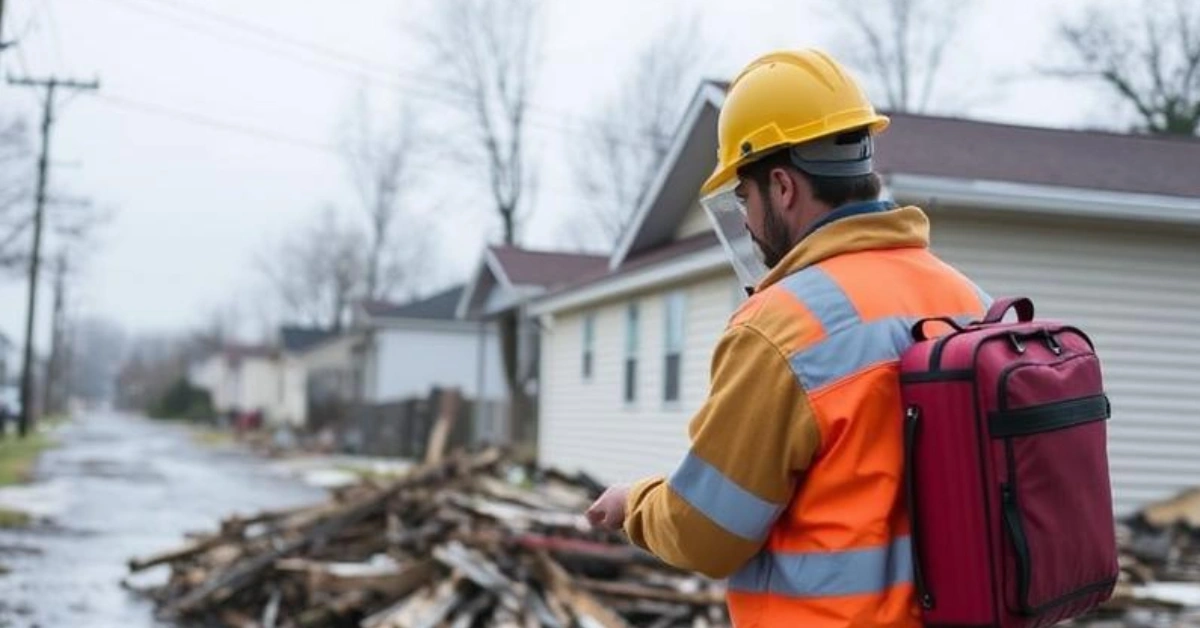
Disasters—whether natural or man-made—can strike without warning, putting lives, property, and communities at risk. Being prepared and knowing which local tools and services are available can make the difference between safety and tragedy. From emergency alerts to shelters and community resources, understanding your options equips you to respond quickly and effectively.
Neighbourhood Watch & Community Policing: Building Trust Locally
The Importance of Disaster Preparedness
Emergencies such as floods, fires, severe storms, or power outages can escalate quickly. Individuals and communities that plan ahead reduce risk, minimize damage, and save lives. Disaster preparedness is not just about having supplies—it’s about knowing who to contact, where to go, and how to act during a crisis.
Prepared communities recover faster and experience less disruption, highlighting the critical role of local tools and services in disaster response.
Local Emergency Alert Systems
One of the first lines of defense in a disaster is timely information. Local alert systems provide real-time updates on risks and instructions.
Common Types of Alerts
- Text and Email Notifications: Many municipalities send emergency alerts directly to residents’ phones.
- Weather Apps and Websites: Local weather services provide warnings for floods, storms, or extreme heat.
- Siren Systems: Used in some areas for immediate evacuation alerts.
- Social Media Channels: Municipal or emergency service pages often post live updates and safety tips.
Staying signed up for alerts and monitoring official channels ensures you receive credible and actionable information.
Emergency Shelters and Evacuation Centers
During disasters, local shelters provide safe refuge for individuals and families. Knowing the location and access procedures of these facilities is critical.
What to Know About Local Shelters
- Locations and Capacity: Identify shelters in advance through municipal websites or community bulletins.
- Services Offered: Many shelters provide food, medical care, bedding, and assistance for pets.
- Special Needs Support: Some shelters cater to seniors, individuals with disabilities, or families with young children.
- Transportation Options: Check for public transit availability or local volunteer transport services.
Local Disaster Response Tools
Communities offer various tools that help residents stay prepared and respond effectively:
- Emergency Supply Kits: Recommended items include water, non-perishable food, first aid supplies, flashlights, and batteries.
- Mobile Apps: Many municipalities and emergency services provide apps with evacuation maps, shelters, and real-time alerts.
- Community Response Teams: Volunteer organizations often assist with search and rescue, first aid, and relief distribution.
- Utility Shutoff Guides: Knowing how to safely turn off gas, electricity, and water can prevent additional hazards.
Services to Support Recovery
After the immediate danger passes, local services assist with recovery and rebuilding:
- Disaster Relief Centers: Help with temporary housing, food, and clothing.
- Counseling and Mental Health Services: Trauma from disasters can affect individuals and families—support is available locally.
- Insurance and Financial Assistance Guidance: Local agencies often provide information on claims and aid programs.
- Volunteer and Donation Programs: Community-driven initiatives help distribute resources efficiently to affected residents.
Tips for Staying Safe During a Disaster
- Have a Family Emergency Plan: Know evacuation routes, meeting points, and emergency contacts.
- Keep Supplies Accessible: Store food, water, first aid, and essential items in a central, easy-to-reach location.
- Stay Informed: Rely only on official alerts and verified information sources.
- Check on Neighbors: Especially vulnerable populations like seniors or individuals with disabilities may need assistance.
- Practice Drills: Regularly rehearse evacuation plans and emergency procedures to reduce panic and confusion.
Disaster response is most effective when residents understand and utilize local tools and services. By familiarizing yourself with emergency alerts, shelters, supply kits, and community programs, you can protect yourself, your family, and your neighborhood. Preparation and awareness transform uncertainty into action, helping communities weather disasters safely and recover more quickly.