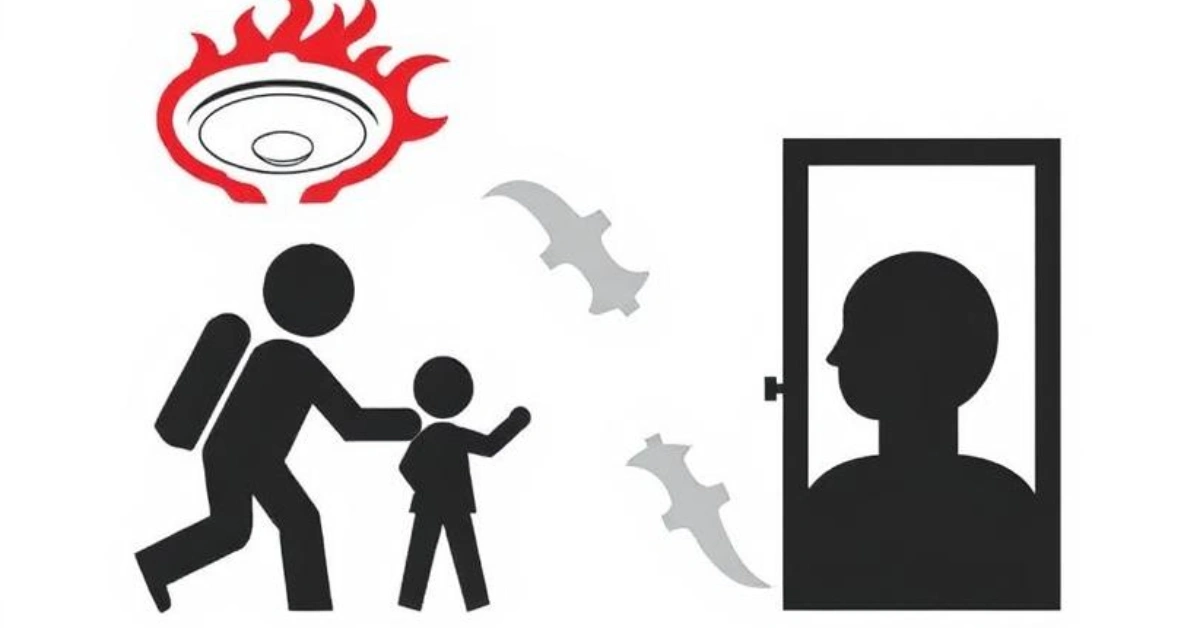
Fire safety is an essential part of protecting your loved ones and your property. A home fire can spread in seconds, and having the right safety measures in place could save lives. From installing smoke alarms to planning escape routes, here’s a detailed guide to keep your household prepared and safe.
How Community Education Programs Can Prevent Common Injuries
Why Home Fire Safety Matters
House fires can be devastating, often occurring when we least expect them. According to fire safety experts, most residential fires start in the kitchen, but faulty wiring, heating equipment, and unattended candles can also spark disasters. Preparation is the best defense—having the right equipment and a well-practiced family plan can mean the difference between life and death.
Install and Maintain Smoke Alarms
Smoke alarms are your first line of defense in a fire. They detect smoke early and give you crucial time to escape.
Choosing the Right Smoke Alarms
- Ionization alarms: Best for detecting fast-flaming fires.
- Photoelectric alarms: Better at sensing slow, smoldering fires.
- Dual-sensor alarms: Combine both technologies for optimal protection.
Placement Tips
- Install smoke alarms inside every bedroom and outside each sleeping area.
- Place at least one alarm on every level of your home, including the basement.
- Mount alarms on the ceiling or high on walls, away from windows, doors, and ducts.
Maintenance Checklist
- Test alarms once a month by pressing the test button.
- Replace batteries at least once a year (or as needed).
- Replace the entire smoke alarm every 10 years.
Plan and Practice Your Escape Routes
A well-thought-out fire escape plan is critical. Everyone in the household should know exactly what to do if a fire occurs.
Steps to Create an Escape Plan
- Identify at least two exits in every room, such as doors and windows.
- Ensure clear pathways by keeping hallways and exits free of clutter.
- Designate a safe meeting spot outside, such as a tree or mailbox.
- Practice regularly, at least twice a year, including at night.
Special Considerations
- Teach children how to escape on their own if needed.
- Assign adults to assist elderly family members, infants, or anyone with mobility issues.
- Remind everyone: Never go back inside once you’re safely out.
Keep Fire Extinguishers Accessible
Having a fire extinguisher in key areas of your home can help you put out small fires before they spread.
- Place extinguishers in the kitchen, garage, and near fireplaces.
- Choose a multi-purpose (Class ABC) extinguisher.
- Learn the PASS method: Pull the pin, Aim low, Squeeze the handle, Sweep side to side.
Remember, if the fire grows too quickly or you feel unsafe, evacuate immediately and call 911.
Prevent Fires Before They Start
Prevention is the most effective fire safety strategy.
- Never leave cooking unattended.
- Keep space heaters at least 3 feet away from anything flammable.
- Regularly check electrical cords for fraying or damage.
- Store matches and lighters out of children’s reach.
- Have your furnace, fireplace, and chimney inspected annually.
Protecting Your Family with a Safety Mindset
Fire safety is not a one-time effort—it’s an ongoing commitment. By installing and maintaining smoke alarms, creating and practicing a family escape plan, and taking preventive steps, you’ll dramatically reduce the risk of tragedy.
Taking these proactive measures today ensures that, if a fire does break out, you and your loved ones will know exactly what to do and have the best chance to stay safe.