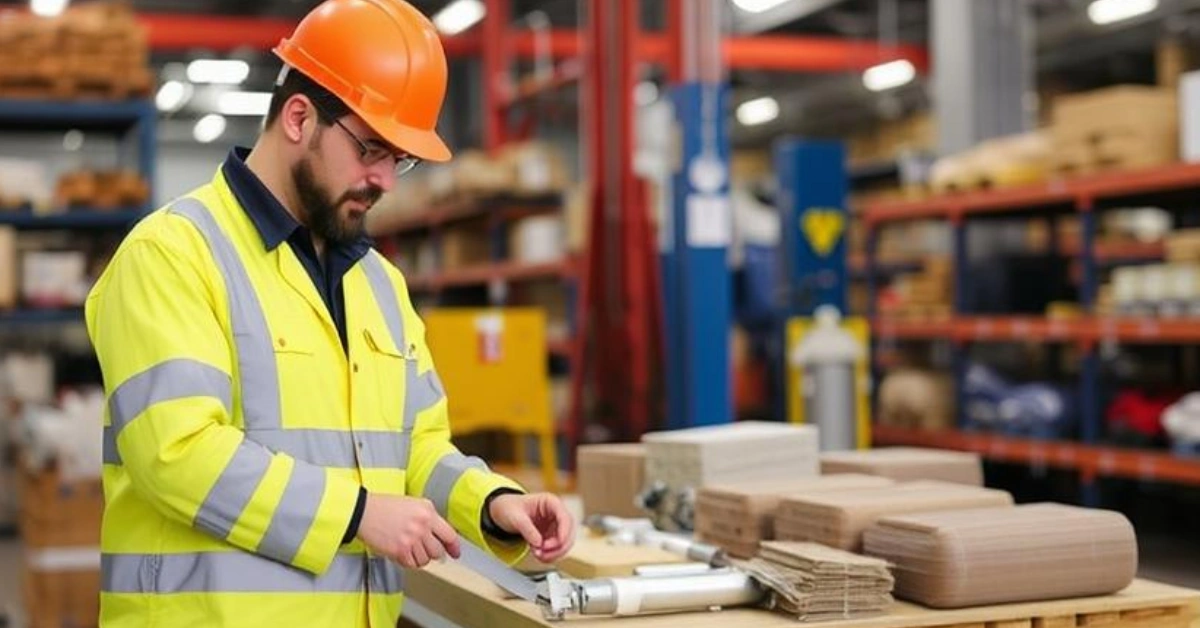
Ensuring workplace safety is more than a legal requirement—it’s a cornerstone of employee well-being, productivity, and community trust. Occupational injuries not only affect individual workers but can disrupt local businesses, strain healthcare systems, and impact community safety. Implementing effective safety measures is essential for thriving, resilient businesses.
Food Security: How Lack of Nourishment Can Lead to Broader Safety Issues
The Importance of Workplace Safety
Occupational injuries can range from minor cuts and strains to serious accidents that result in long-term disability or fatalities. According to workplace safety statistics, most injuries in small and medium-sized businesses occur due to slips, trips, falls, repetitive strain, or mishandling of equipment.
Prioritizing safety benefits everyone:
- Employees: Reduce the risk of injury and stress.
- Employers: Lower costs related to medical claims, compensation, and lost productivity.
- Community: Safer workplaces contribute to healthier, more stable local economies.
Common Causes of Occupational Injuries
Understanding the most frequent causes of workplace accidents helps businesses prevent them effectively.
Physical Hazards
- Slippery floors, uneven surfaces, or poor lighting.
- Heavy lifting, repetitive motions, and awkward postures.
- Operating machinery without proper training or protective equipment.
Environmental Hazards
- Exposure to chemicals, dust, or toxic substances.
- Extreme temperatures, inadequate ventilation, or loud noise levels.
Human Factors
- Lack of proper training or awareness.
- Fatigue, stress, or distraction.
- Ignoring safety protocols or rushing tasks.
Strategies to Prevent Occupational Injuries
Local businesses can create safer workplaces by implementing proactive measures and fostering a culture of safety.
Employee Training and Awareness
- Conduct regular safety training tailored to specific job roles.
- Educate staff on proper equipment handling, ergonomics, and emergency procedures.
- Encourage reporting of hazards without fear of retaliation.
Workplace Design and Maintenance
- Keep work areas clean, organized, and well-lit.
- Install safety equipment like guardrails, anti-slip mats, and emergency exits.
- Regularly inspect tools, machinery, and electrical systems for defects.
Personal Protective Equipment (PPE)
- Provide employees with appropriate PPE, such as gloves, helmets, or safety goggles.
- Ensure staff are trained on proper use, storage, and maintenance of protective gear.
Policy and Safety Culture
- Develop clear workplace safety policies and procedures.
- Conduct regular safety audits and risk assessments.
- Recognize and reward safe behavior to reinforce a positive safety culture.
Emergency Preparedness
Even with preventive measures, accidents can happen. Preparing for emergencies is critical:
- Create an emergency response plan detailing evacuation routes, first aid stations, and contact numbers.
- Train employees on first aid and CPR.
- Keep first aid kits, fire extinguishers, and automated external defibrillators (AEDs) accessible.
Benefits of a Safe Workplace
A strong commitment to workplace safety benefits the business, employees, and community alike:
- Reduced workplace injuries and absenteeism.
- Increased employee morale and retention.
- Enhanced reputation and trust among customers and the local community.
- Lower financial and legal risks for the business.
Preventing occupational injuries is not just a regulatory obligation—it’s an investment in people, productivity, and community well-being. Local businesses that prioritize safety create a culture where employees feel valued, operations run smoothly, and the broader community benefits from a healthier, more secure workforce.