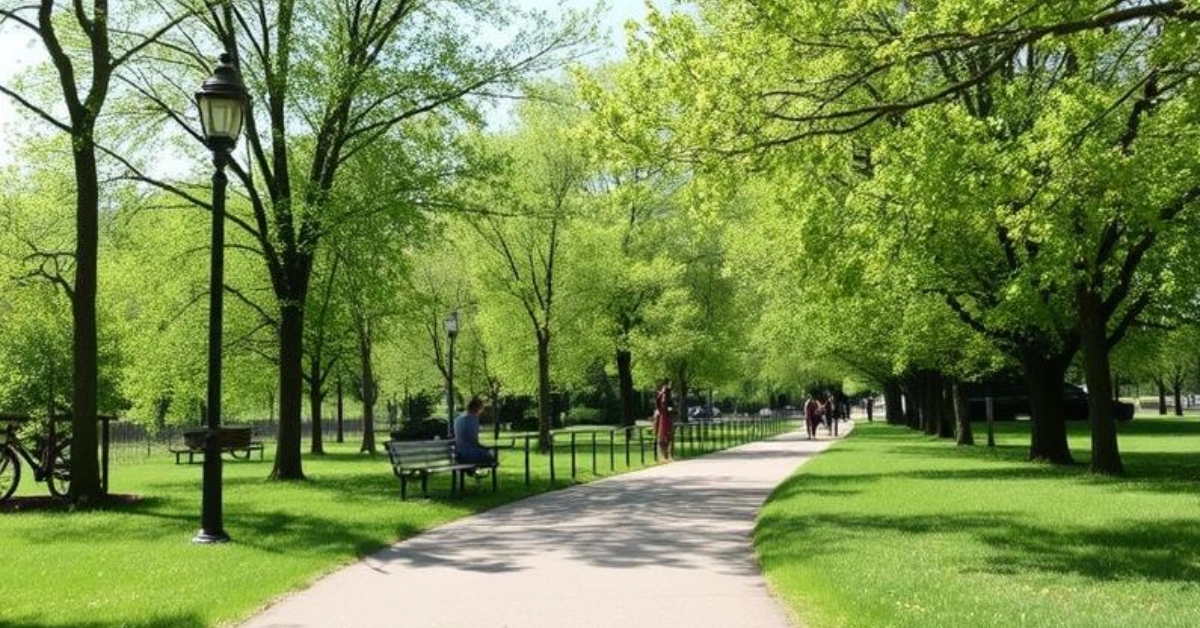
Public spaces—parks, trails, and recreational areas—are more than just places for leisure. They play a critical role in fostering community safety, social cohesion, and overall well-being. When designed and maintained effectively, these spaces become hubs for healthy interaction, crime prevention, and emergency preparedness.
Stress, Isolation & Community Safety: Why Support Systems Matter
Why Safe Public Spaces Matter
Safe, accessible public spaces have far-reaching benefits. They encourage physical activity, provide stress relief, and offer opportunities for social connection. Beyond health benefits, well-designed public areas also improve community safety by increasing visibility, promoting civic engagement, and reducing opportunities for crime.
Studies consistently show that communities with vibrant, active public spaces experience lower crime rates and higher levels of trust among residents.
Parks as Safety Anchors in the Community
Parks are often at the heart of neighborhoods and serve multiple safety functions:
Social Interaction and Vigilance
- Parks encourage families, seniors, and youth to spend time outside.
- Increased foot traffic naturally deters criminal activity and enhances surveillance by the community.
Emergency and Evacuation Zones
- Open spaces can serve as assembly points during emergencies like floods, fires, or severe weather.
- Parks are often equipped with clear signage and pathways that aid in safe evacuation.
Health and Well-being
- Green spaces reduce stress, anxiety, and depression, which can indirectly contribute to safer communities.
- Programs such as fitness classes, sports leagues, or community events foster positive interactions and inclusion.
Trails and Pathways: Connecting Safety and Accessibility
Walking, biking, and hiking trails do more than connect destinations—they promote safety by creating visible, structured environments.
Benefits of Well-Designed Trails
- Natural Surveillance: Trails encourage regular use, which discourages illicit activity.
- Emergency Access: Well-marked paths facilitate faster response by first responders.
- Community Connectivity: Trails link neighborhoods, parks, and schools, creating a network of safe routes for residents of all ages.
Safety Considerations for Trails
- Adequate lighting along paths.
- Clear signage for directions and emergency contacts.
- Regular patrols or volunteer trail monitors.
- Maintenance to prevent hazards like uneven terrain or overgrown vegetation.
Public Areas and the Prevention of Crime
Public areas that are thoughtfully designed and actively managed can reduce opportunities for crime through principles like Crime Prevention Through Environmental Design (CPTED). Key elements include:
- Visibility: Open sightlines reduce hiding spots and increase community monitoring.
- Maintenance: Clean, well-kept areas signal active stewardship and discourage vandalism.
- Inclusive Design: Spaces that are welcoming to all demographics reduce social tensions and promote harmony.
- Lighting and Security Measures: Strategically placed lighting, cameras, and emergency stations enhance safety without creating a sense of surveillance overreach.
Building a Culture of Safety in Public Spaces
Communities can maximize safety in public areas by combining infrastructure with community engagement:
- Host community events, fitness classes, or volunteer days to encourage regular use.
- Promote “buddy systems” for night walkers or cyclists.
- Involve local organizations and residents in maintenance and monitoring programs.
- Provide mental health resources and outreach in high-traffic areas to support vulnerable populations.
Parks, trails, and public areas are not just amenities—they are essential components of a safe, resilient community. By fostering engagement, supporting mental and physical health, and implementing thoughtful design and management practices, these spaces create environments where residents feel secure, connected, and empowered.