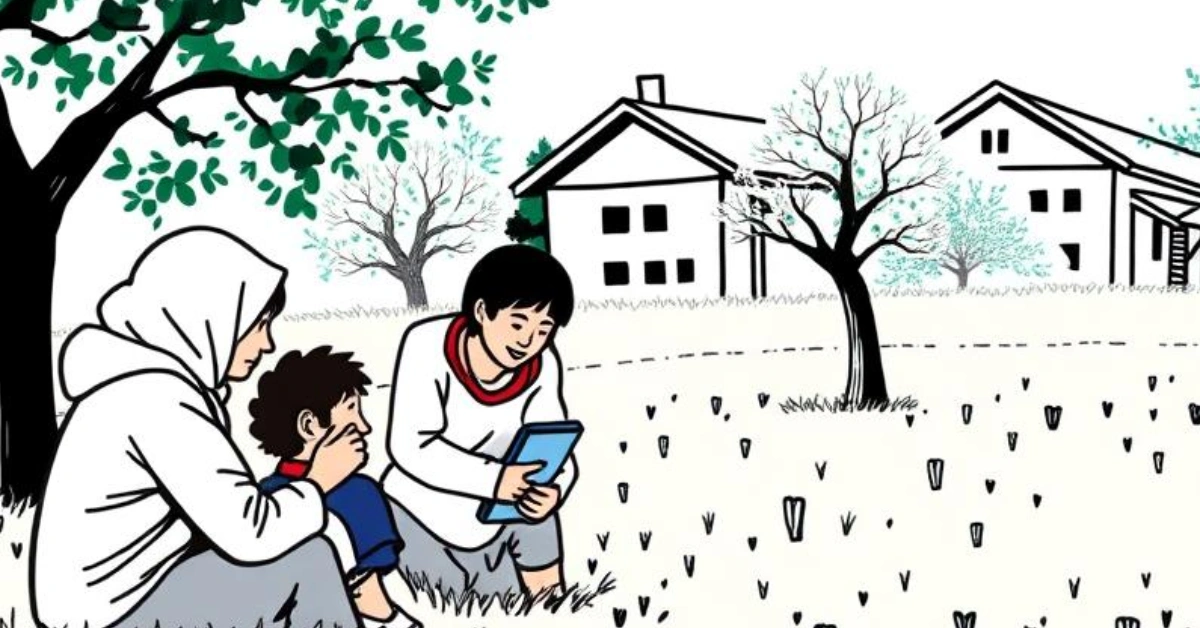
Stress and isolation are more than personal challenges—they directly affect the safety, resilience, and cohesion of communities. When individuals feel disconnected or overwhelmed, the ripple effects can increase risks, from mental health crises to neighborhood instability. Understanding how support systems mitigate these risks is essential for building stronger, safer communities.
The Hidden Link Between Stress, Isolation, and Community Safety
Chronic stress and social isolation can impact judgment, emotional regulation, and behavior. Individuals under prolonged stress may struggle to cope, increasing the likelihood of conflicts, accidents, or self-harm. Likewise, isolation reduces opportunities for community monitoring, making it harder to identify and assist vulnerable members.
Communities that ignore these issues may inadvertently face:
- Higher rates of mental health crises.
- Increased vulnerability to crime or unsafe situations.
- Reduced trust and engagement among neighbors.
Support systems act as a buffer, helping individuals manage stress, maintain social connections, and contribute positively to community life.
Why Social Support Systems Are Critical
Social support systems—ranging from family and friends to community programs—play a vital role in mitigating stress and isolation. They create networks of care and safety that benefit both individuals and the broader community.
Key Benefits of Strong Support Systems:
- Early Intervention: Friends, neighbors, or social workers can spot signs of distress and provide timely help.
- Reduced Risk of Crisis: Emotional support, counseling, or group activities prevent stress from escalating into dangerous situations.
- Enhanced Community Engagement: Connected individuals are more likely to participate in neighborhood initiatives and watch out for one another.
- Improved Mental Health: Regular social interaction and access to resources strengthen resilience and coping skills.
How Communities Can Build Effective Support Systems
Creating strong support networks requires intentional planning and active participation from community leaders, organizations, and residents.
Practical Steps Include:
- Neighborhood Programs: Organize community centers, social clubs, or volunteer groups that foster connection.
- Peer Mentorship: Pair individuals with trained mentors or neighbors who provide guidance and check-ins.
- Accessible Mental Health Resources: Offer counseling, crisis lines, and workshops to address stress and emotional challenges.
- Inclusive Policies: Ensure programs are accessible to seniors, individuals with disabilities, and marginalized groups.
- Emergency Planning: Encourage families and neighbors to have communication plans for crises.
By implementing these measures, communities not only improve individual well-being but also enhance overall safety.
The Role of Individual Action
While community programs are crucial, individual efforts matter as well. Simple acts like checking on neighbors, participating in local events, or offering emotional support can strengthen the social fabric and prevent isolation from turning into a public safety concern.
Stress and isolation are silent threats to community safety—but they can be mitigated through strong support systems. By fostering social networks, providing access to resources, and encouraging neighborly engagement, communities can reduce risk, enhance resilience, and create safer environments for everyone.